
Human Anatomy - Advanced Programme
The Medical Poland Human Anatomy Programme is designed for 1st-year medical & dentistry students.
Structure: human anatomy in Poland is taught topographically i.e. by separate parts of the body, not by systems. That is how the course will be delivered.
Anatomy is one of the fundamental subjects that help you embark on a great adventure called medicine. It is one of the most important and most challenging links in the chain of an entire medical education without which one cannot understand the clinical basis presented during the upcoming years of studying. For many years anatomy has been associated with stress, all-nighters and learning by heart long and often incomprehensible sentences - but it is now time to say goodbye to this stereotype. Dear Students of prestigious medical universities, we introduce you to a course that will enable you to pass not only all sub-tests but also the final exam from anatomy. The course will make your education enjoyable again. What is more, it will help you remember all the obtained information, so that you don't have to worry about forgetting the knowledge you had acquired, before graduation. Properly provided information, eye-catching pictures, presentations and films will make you understand all given topics easily. Moreover, the teaching materials will be available for you anytime.
Anatomy cannot be learned without being systematic. That is why the best way to understand it is a course, the compilation of which will allow you to consolidate your knowledge and revise what you have learned during lessons at the university. Thanks to this course, you will be able to test your own knowledge due to solving multiple tasks in relation to several topics. It will also be a chance to strive for self-improvement. This course has been created based on recent and specialist literature according to the current curriculum of Polish Medical Universities, that is why it is divided into sections by topographic anatomy. Each student, according to their needs, may select a particular part of a material that he/she wishes to improve. Eventually, the course will be a perfect method of preparing oneself to the final exam.
Course content:
- The Human Body: An Orientation:
- Anatomical axes and planes. Classification of the skeleton;
- General structure of bones. Classification of junctions and joints.
- Upper limb:
- Bones, joints and ligaments of the upper limb;
- Muscles of the upper limb;
- The spinal nerves. Brachial plexus. Lesions of nerves in the upper limb;
- Arteries, veins and lymphatic vessels of upper limb;
- Thorax:
- General structure of vertebral column. Curvatures of the vertebral column. Ribs and sternum. Skeleton of the thorax;
- Muscles and fasciae of thorax and back;
- Intercostal nerves. Short branches of braxial plexus. Dorsal branches of the spinal nerves. Phrenic nerve. Thoracic part of vagus nerve. Thoracic part of sympathetic trunk. Cardiac plexus;
- Heart and pericardium. Surface anatomy of the heart and great vessels, percussion and auscultation areas, heart sounds;
- Ascending aorta, arch of aorta, thoracic aorta. Pulmonary trunk, pulmonary arteries. Pulmonary veins. Superior cava vein. Thoracic duct and right lymphatic duct. Azygos veins system;
- Trachea and principial bronchi. Bronchopulmonary segmentation (tree). Lungs. Pleural cavity. Mechanics of respiration. Thymus. Esophagus;
- Abdomen:
- Regions of abdomen. Muscles and fasciae of abdomen. Inguinal canal. Rectus sheath. Abdominal hernias;
- Lumbar plexus. Peritoneum. Peritoneal cavity and peritoneal reflections;
- Organs
- Celiac trunk. Superior and inferior mesenteric arteries. Portal vein. Inferior cava vein. Abdominal lymphatic system;
- Pelvis:
- Bones and canal. Muscle of pelvis;
- Urinary system;
- Female genital system;
- Male genital system;
- Lower limb:
- Bones and joints of the lower limb;
- Muscles and fasciae of lower limb;
- Sacral and lumbar plexuses;
- Arteries and veins of lower limb;
- Skull:
- General structure (overview) of cranium. Anterior, middle and posterior cranial fossae. Orbit. Nasal cavity;
- Bones;
- Temporomandibular joint. Passage of cranial nerves through openings in the cranial base;
- Head and neck:
- Muscles and fasciae of neck and head;
- External nose and nasal cavity. Paranasales sinuses. Oral cavity. Tongue. Deciduous and permanent teeth, hard and soft palate. Pharynx. Salivary glands: submandibular, sublingual and parotid;
- Larynx. Thyroid and parathyroid glands. Cervical part of esophagus and trachea. Cervical plexus;
- Common, internal and external carotid arteries. Subclavian artery. Veins of the head. Internal, external and anterior jugular veins;
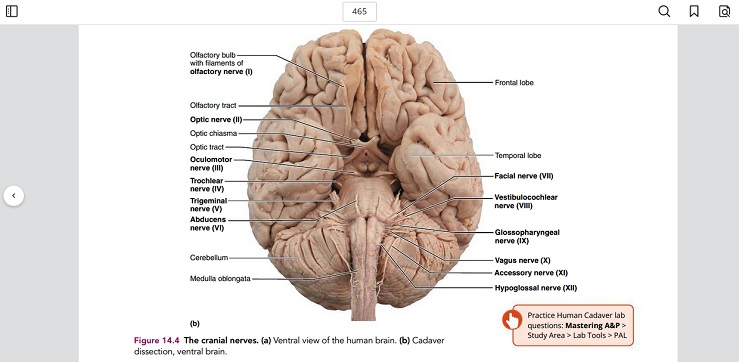
- Cranial nerves;
- Sensory organs:
- Visual apparatus;
- Auditory and vestibular apparatuses;
- Neuroscience:
- Ontogenetic, topographical and anatomical classification of the brain. Gross structure of the brain. Cerebral cortex: main sulci and fissures, lobes and gyri;
- Circulation of cerebrospinal fluid. Arteries and veins of the brain;
- Spinal cord;
- Pathways;
- Endocrine system;
- Lymphatic and immune system.
Highlights
Price
290 EUR